 Skip to content
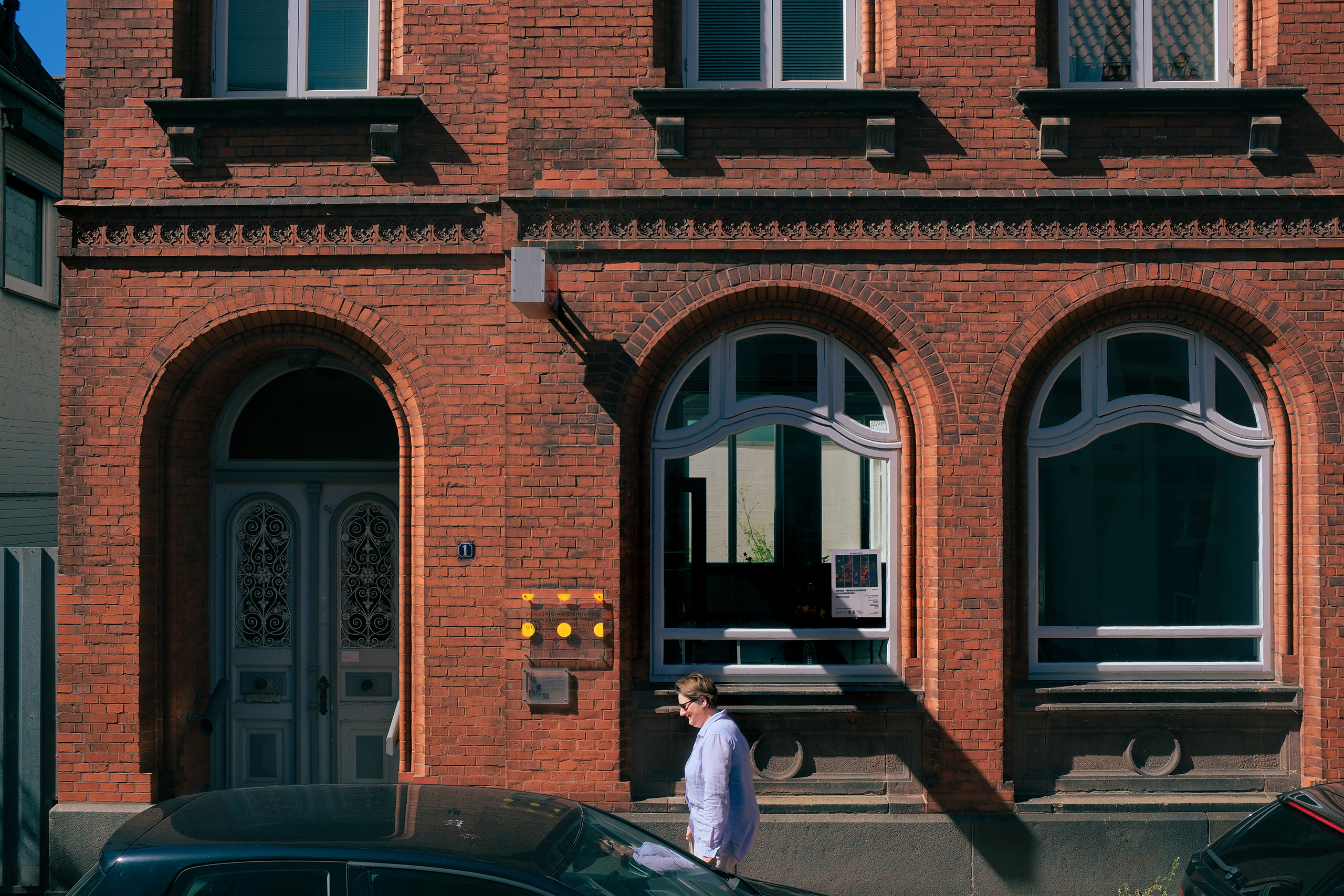
Schleswig-Holsteinisches Künstlerhaus
Artist Residency - Eckernförde, Germany (Otte 1 Künstlerhaus)
2026
Geopoetics: Plant Memory and Fictional Archaeology
My practice exists between relief painting and sculpture, exploring how time transforms natural forms into cultural memory through geological materials and plant imprints. I approach “fossilization” as one of the earliest forms of imprinting—a process in which organic life transfers its existence into mineral structures, allowing traces of life to be preserved in matter and later reinterpreted.
This project continues my ongoing research, Geopoetics: Plant Memory and Fictional Archaeology, which has been developed across Greece, Taiwan, Shanghai, and the United Kingdom, and will continue in future residencies in Germany and Sichuan, China. The series of large-scale “speculative plant fossils,” functioning both as sculptural objects and transfer structures, forms a material field that connects past, present, and imagined futures.
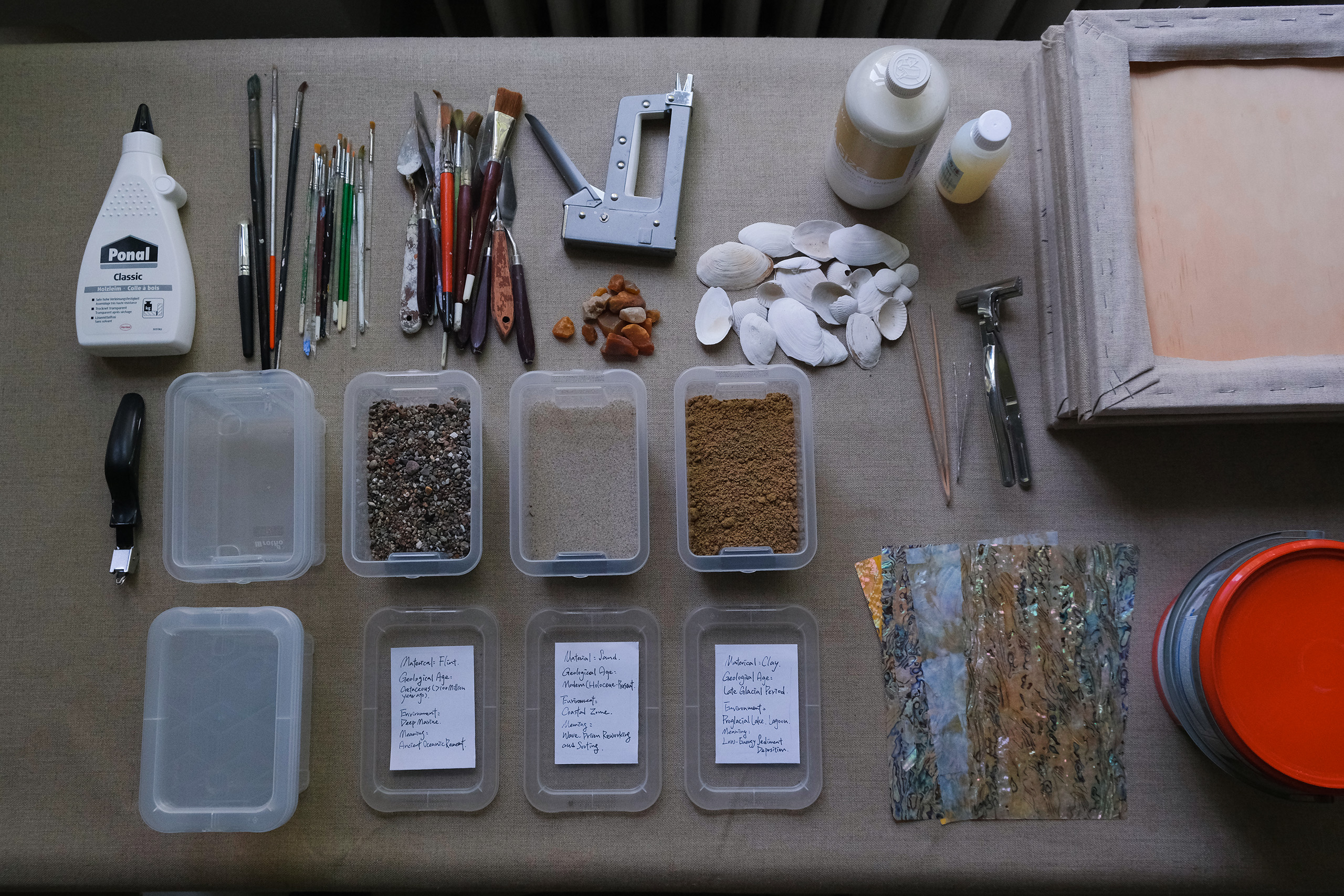
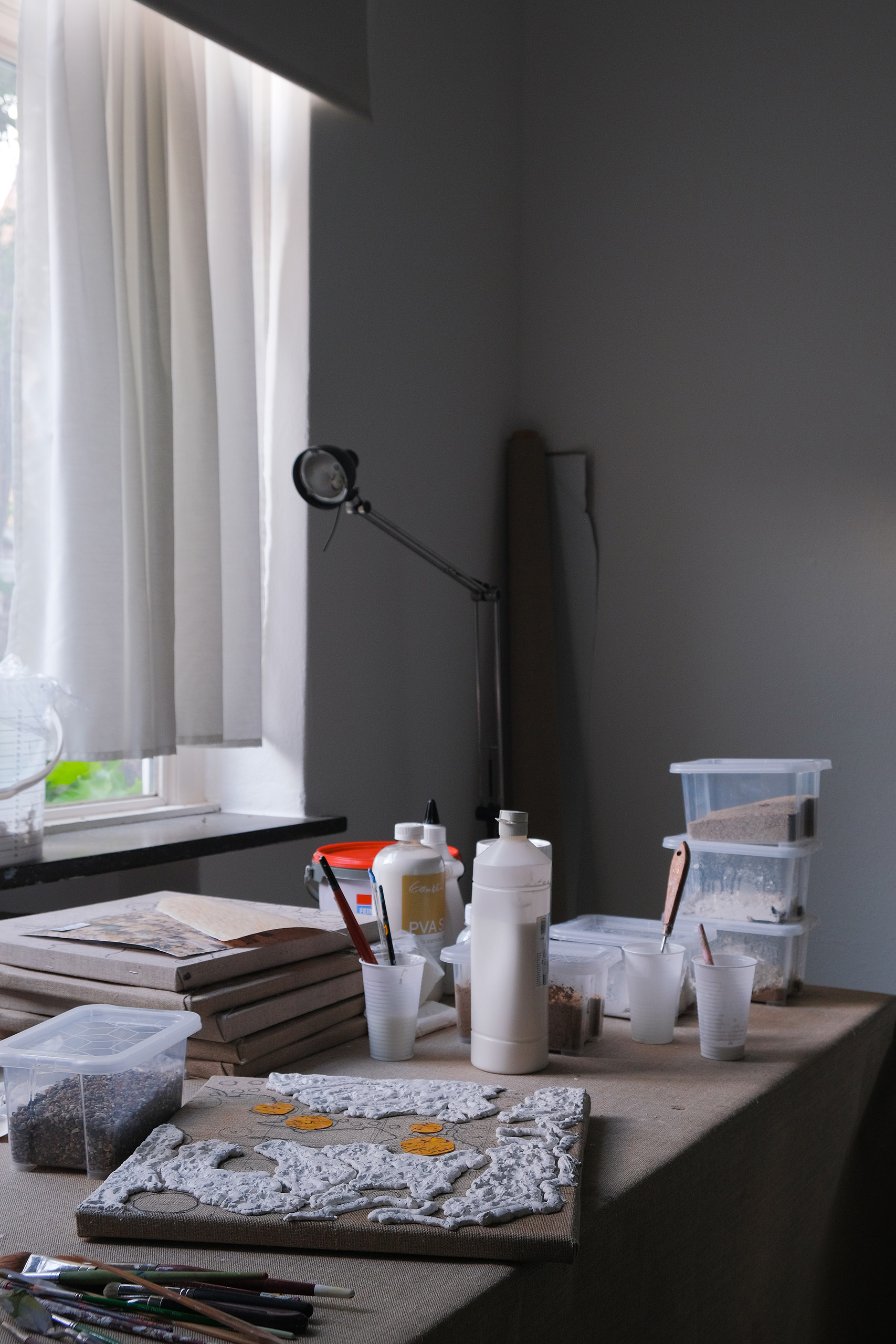
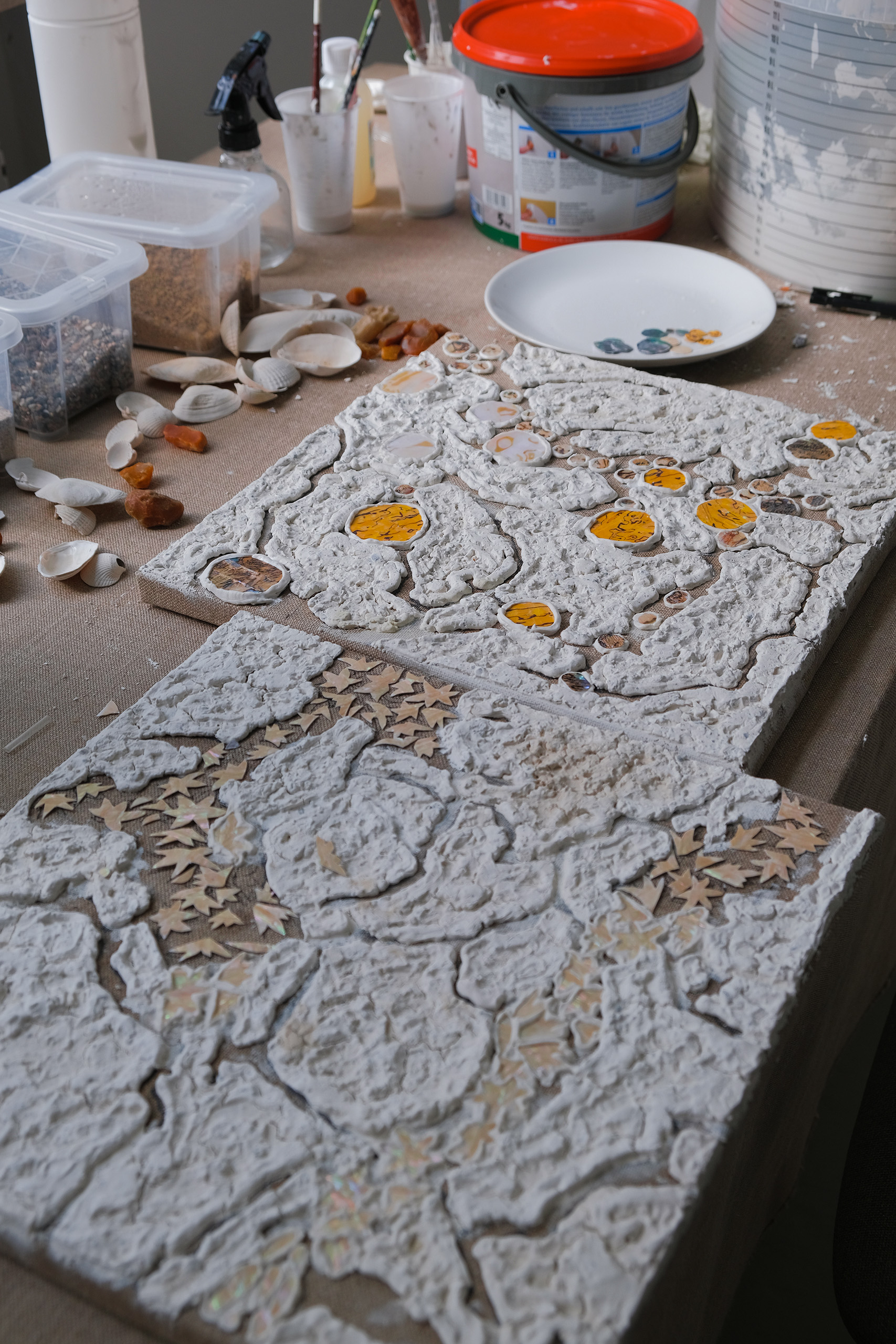
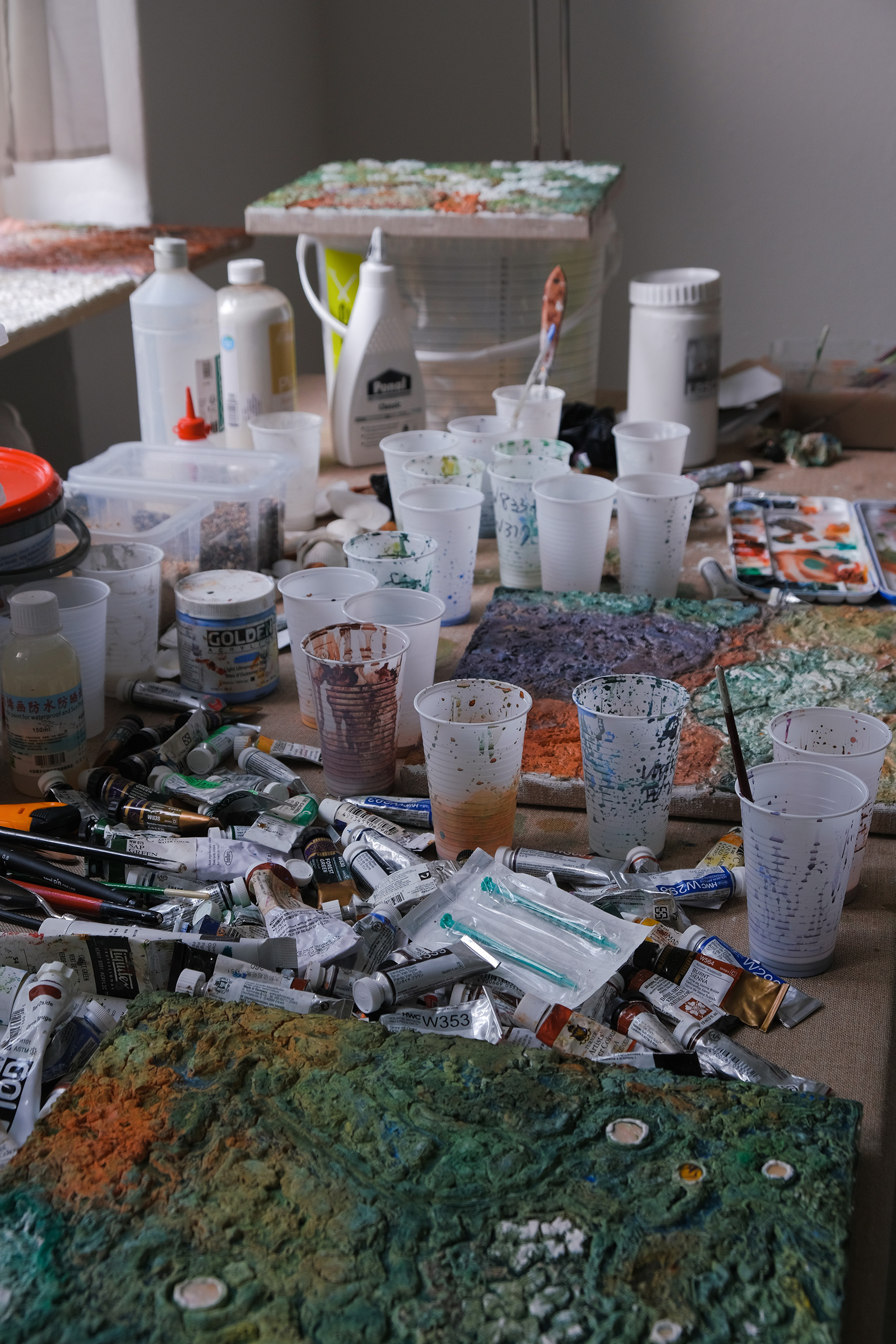
The works are constructed through layered accumulations of geological materials such as clay, soil, marble powder, chalk, calcium carbonate, and fossil fragments, simulating the cementation process of sedimentary rock formation. Through relief and pintura matérica techniques, plant forms gradually emerge through repeated layering and imprinting, creating spatially embedded traces reminiscent of archaeological strata or fragments from future ruins. These material layers not only form the visual structure but also act as metaphors for the sedimentation of time.
Within these constructed “fictional fossils,” plant forms intertwine with cultural narratives. Throughout human history, plants have circulated alongside migration, trade, and everyday life, connecting medicinal knowledge, culinary traditions, and spiritual beliefs. When plant imprints are embedded within mineral materials and layers of pigment, the work becomes a speculative cultural artifact in which natural and cultural histories converge on a single surface.
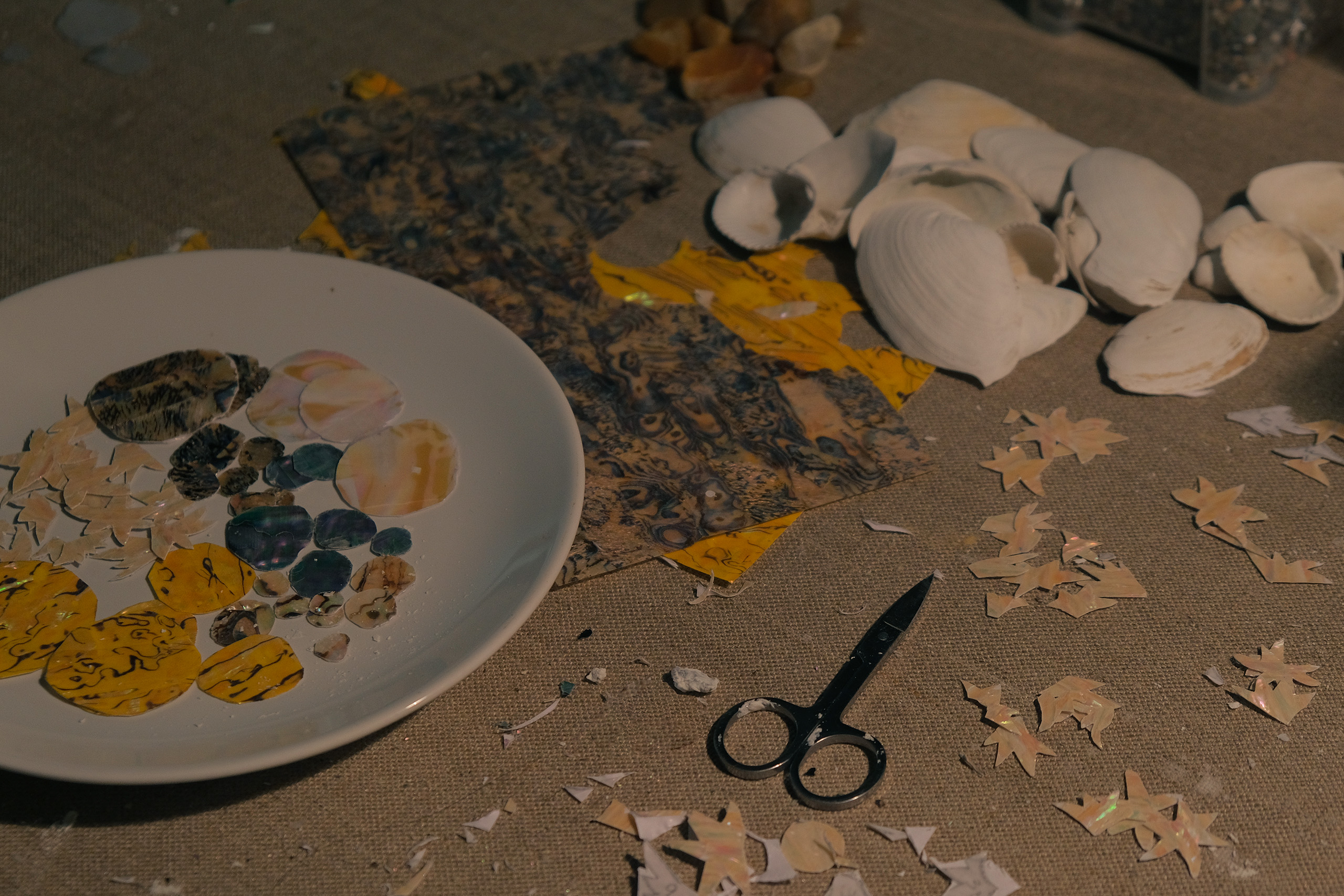
Material transformation plays a crucial role in the work. I incorporate the Japanese technique of yakihaku, in which gold, silver, and copper leaf are heated to produce oxidation and unpredictable chromatic variations, resonating with the temporal aesthetics of mujō (impermanence) and wabi-sabi. Mother-of-pearl is also embedded within the works; its iridescence, produced through optical interference in aragonite layers, refracts light like geological strata and becomes another metaphor for the accumulation of time.
In this project, plants are understood as carriers of cultural memory. As they move through migration, trade, and everyday practices, they accumulate stories and knowledge related to food, healing, and belief systems. Shanghai, as a city shaped by layered histories of migration, offers a significant site to observe how cultures intersect and transform within an urban context. Within this cultural ecology, plants are not merely natural entities but witnesses to the convergence and fusion of diverse cultural memories.
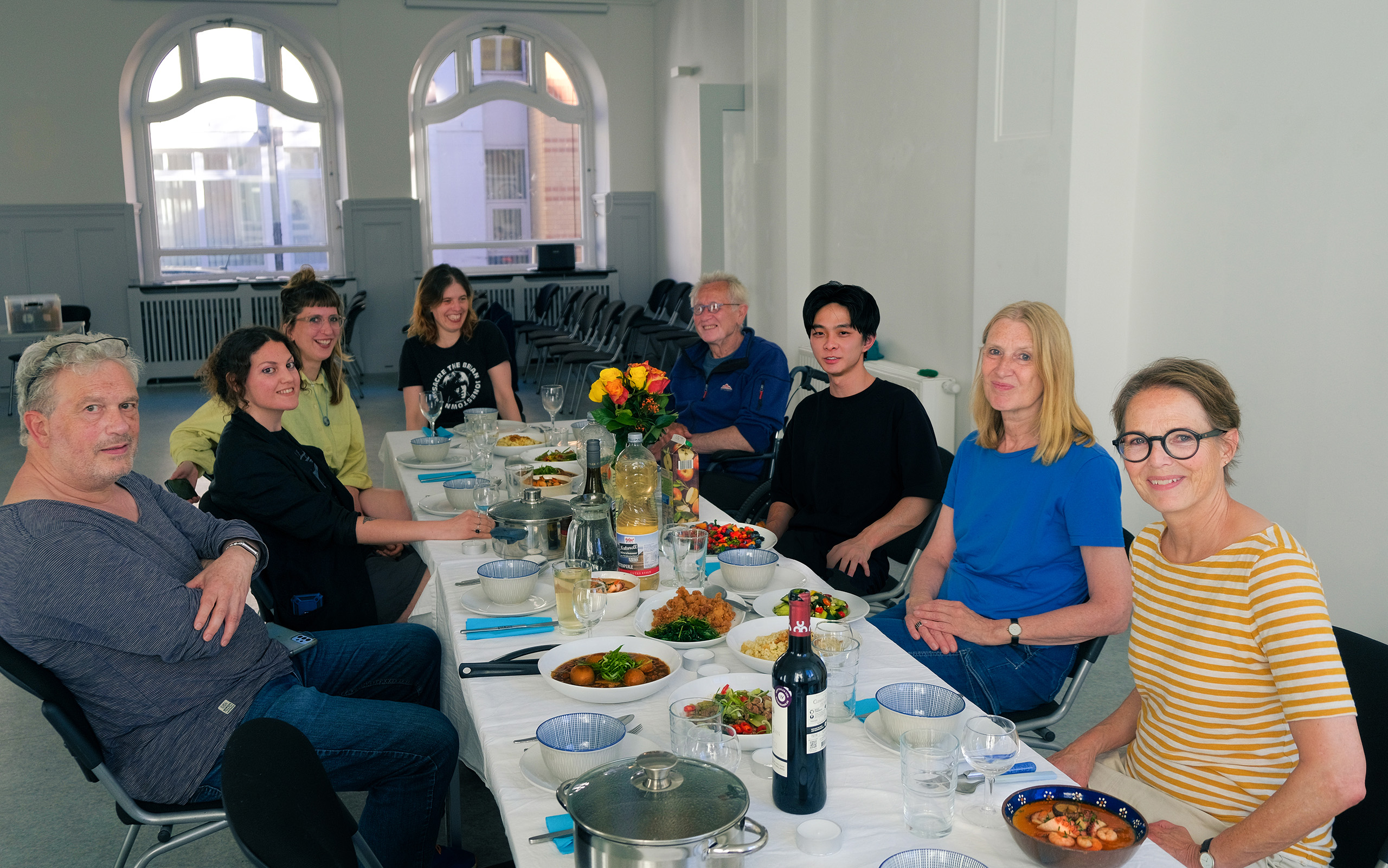
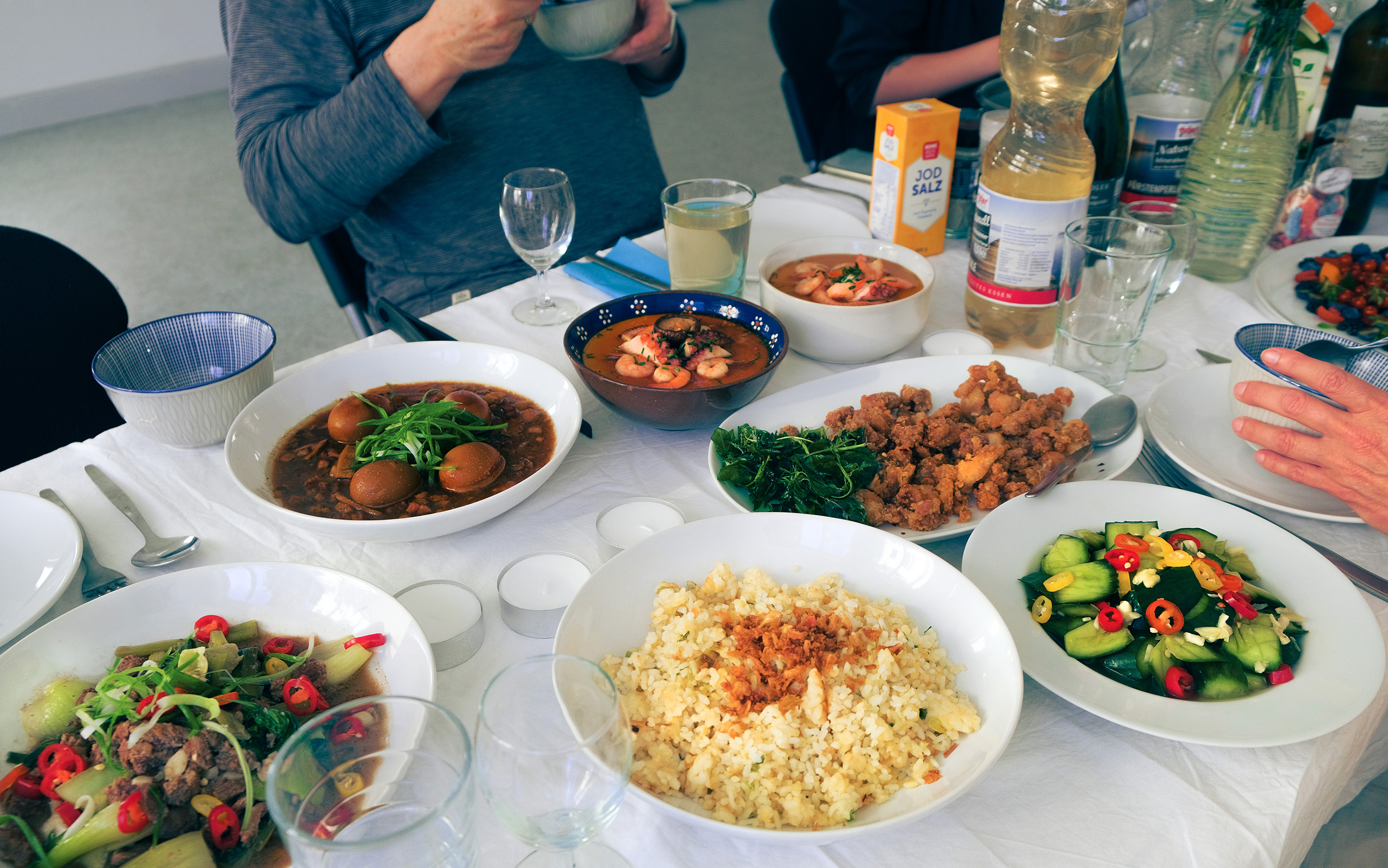
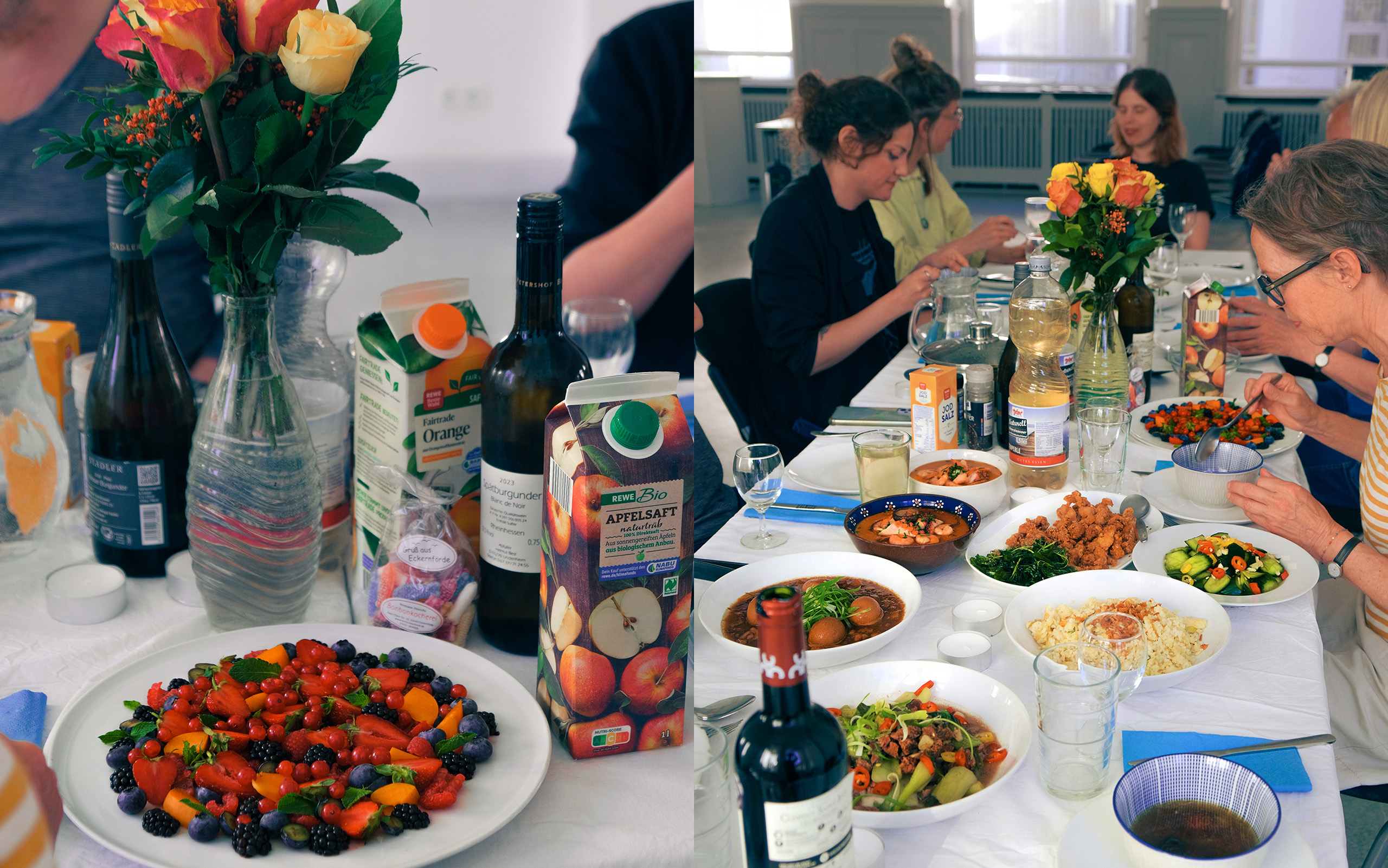
Beyond studio production, the project also explores how plants carry cross-cultural memory through community engagement. Urban plant life often travels alongside trade, migration, and culinary culture, forming multilayered cultural landscapes. Through open studios and dialogues, I invite participants from diverse backgrounds to share personal memories related to plants—family traditions, migration experiences, food practices, or healing knowledge. These narratives are compiled into an evolving Botanical Archaeology Map, tracing how plant knowledge circulates across communities and generations.
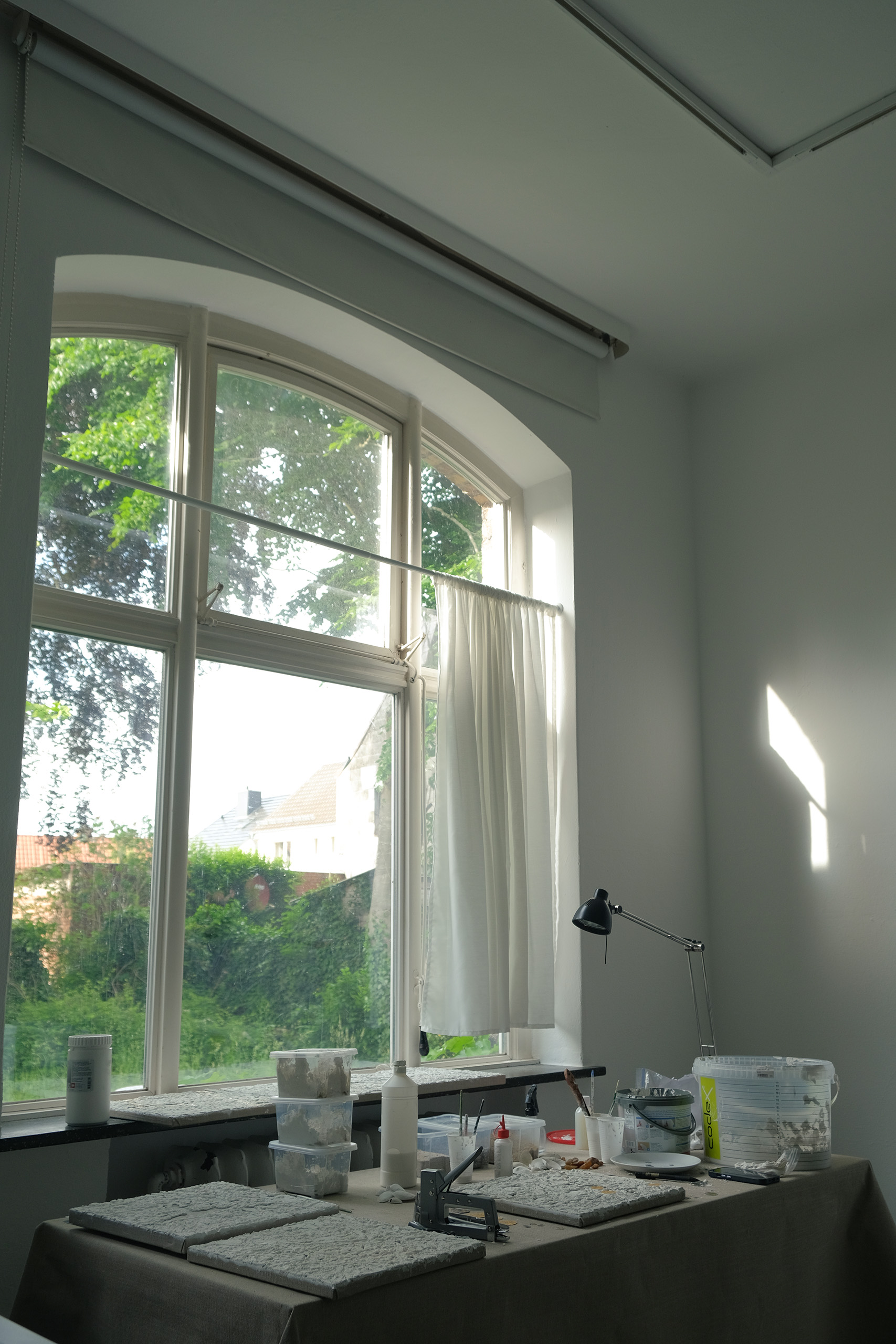
Some of these narratives are further translated and embedded into the works, gradually becoming material traces on their surfaces. Through this process, communal experiences and personal memories are sedimented within the material structure, allowing the works to function as both artistic production and cultural archive. The studio thus becomes not only a site of creation but also a space where artistic practice and collective narratives intersect.
Ultimately, Strata of Memory proposes a poetic form of “speculative archaeology.” By combining geological materials, plant forms, and community narratives, the project reflects on how identity, cultural traditions, and the relationship between humans and nature are continuously rewritten through the sedimentation of time. In a contemporary global city such as Shanghai, the movement of plants and cultures produces new ecological and mnemonic landscapes. These works, like imagined artifacts of the present, invite viewers to consider how future archaeology might read the cultural and natural traces we leave behind today.
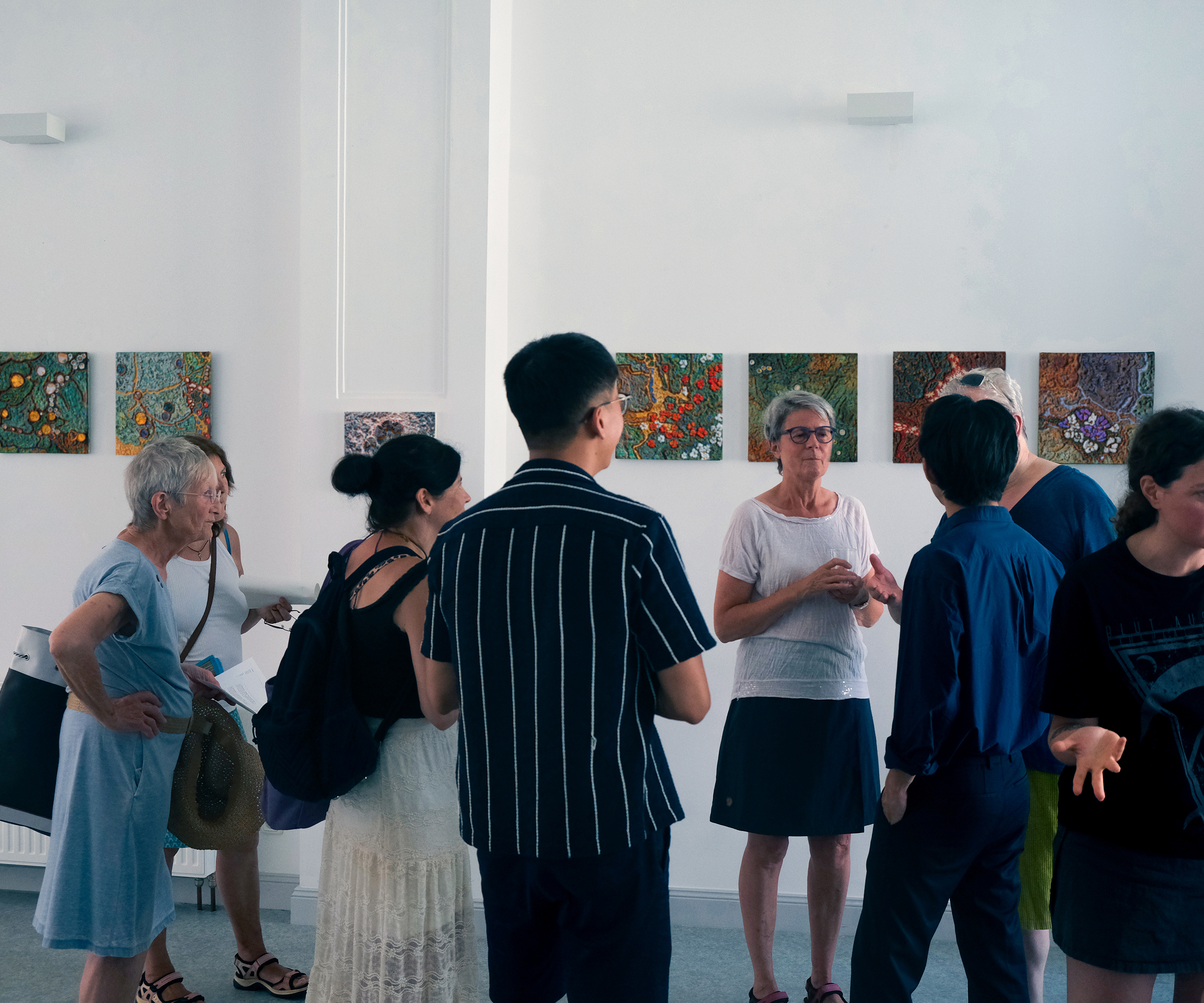
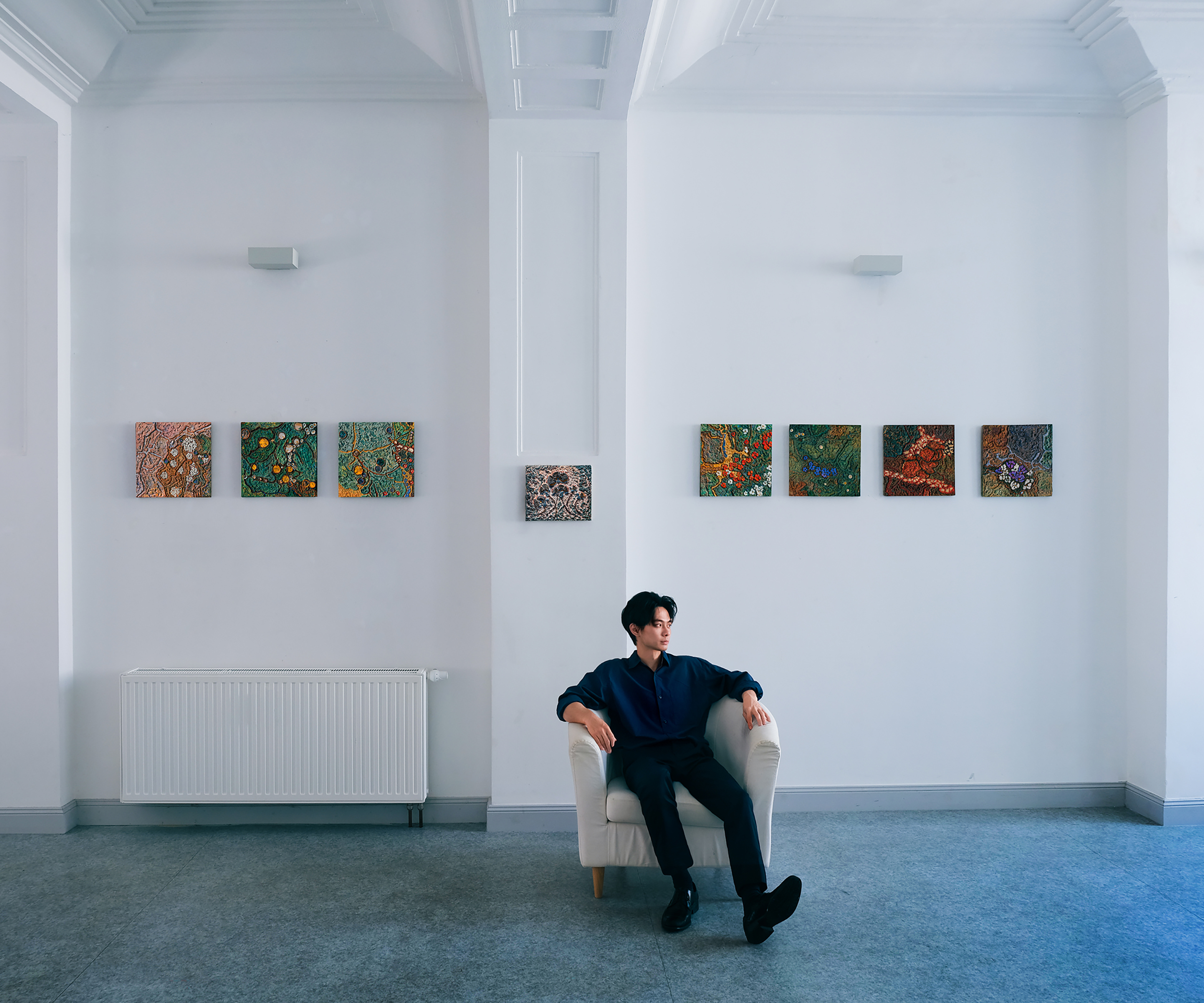
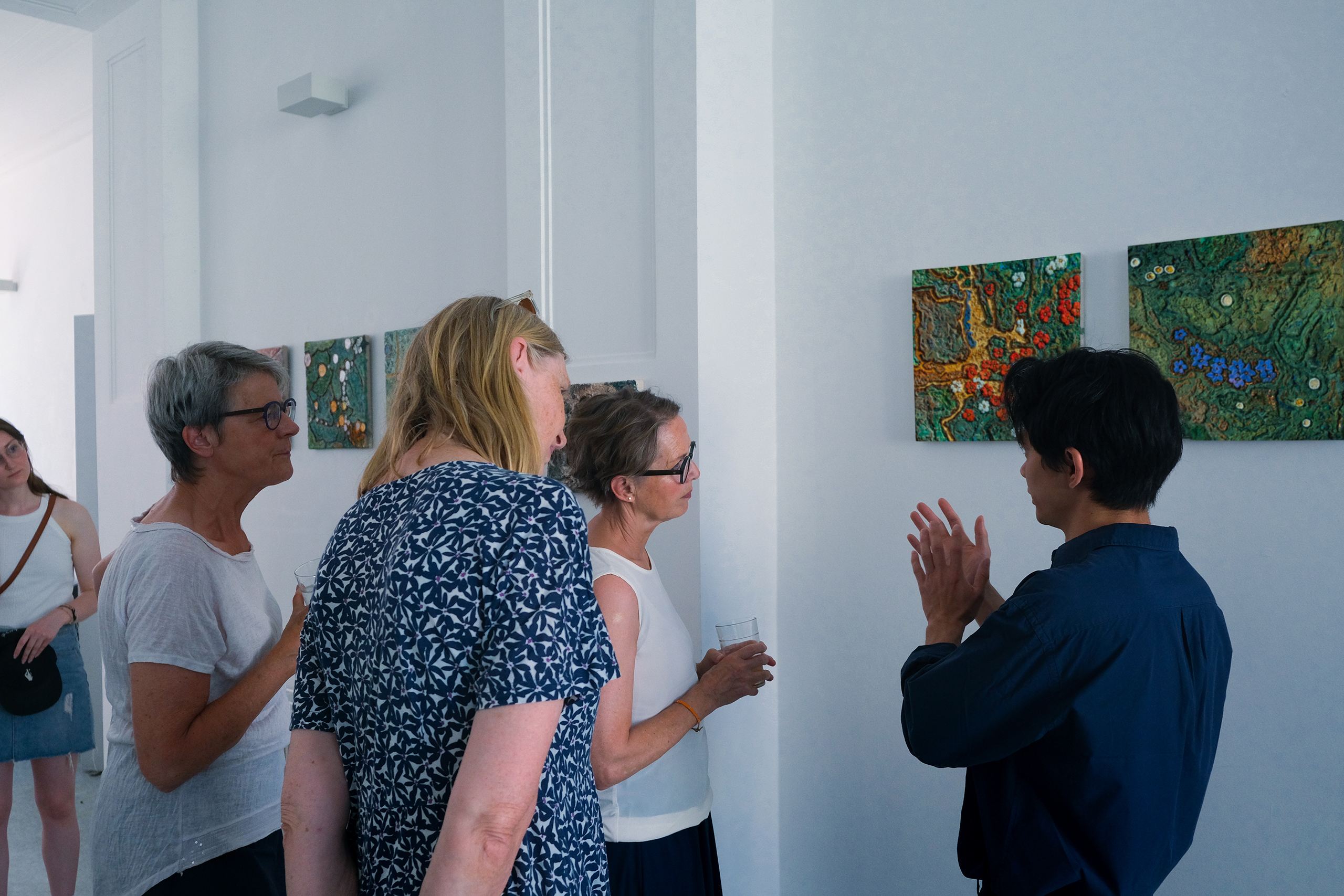
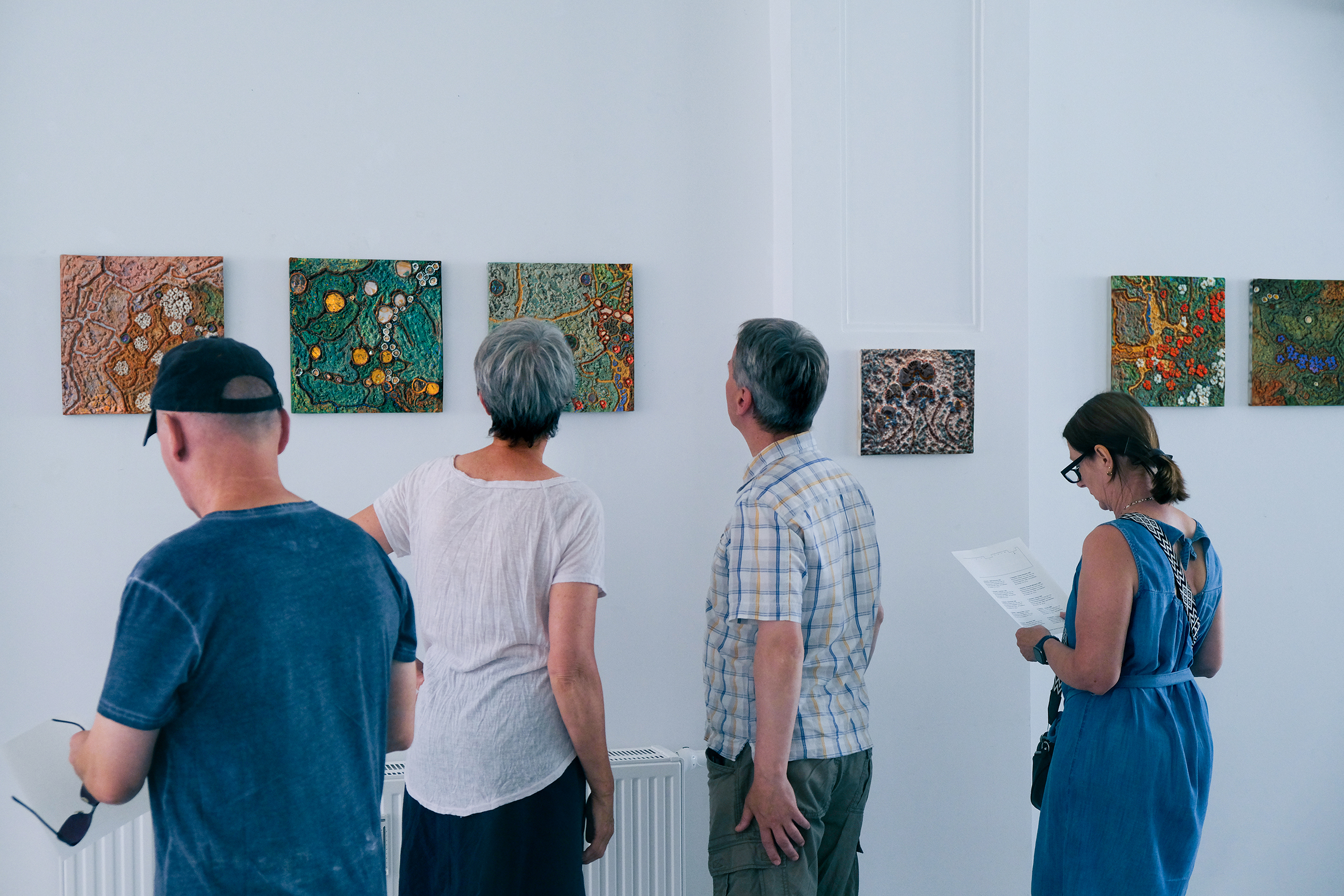
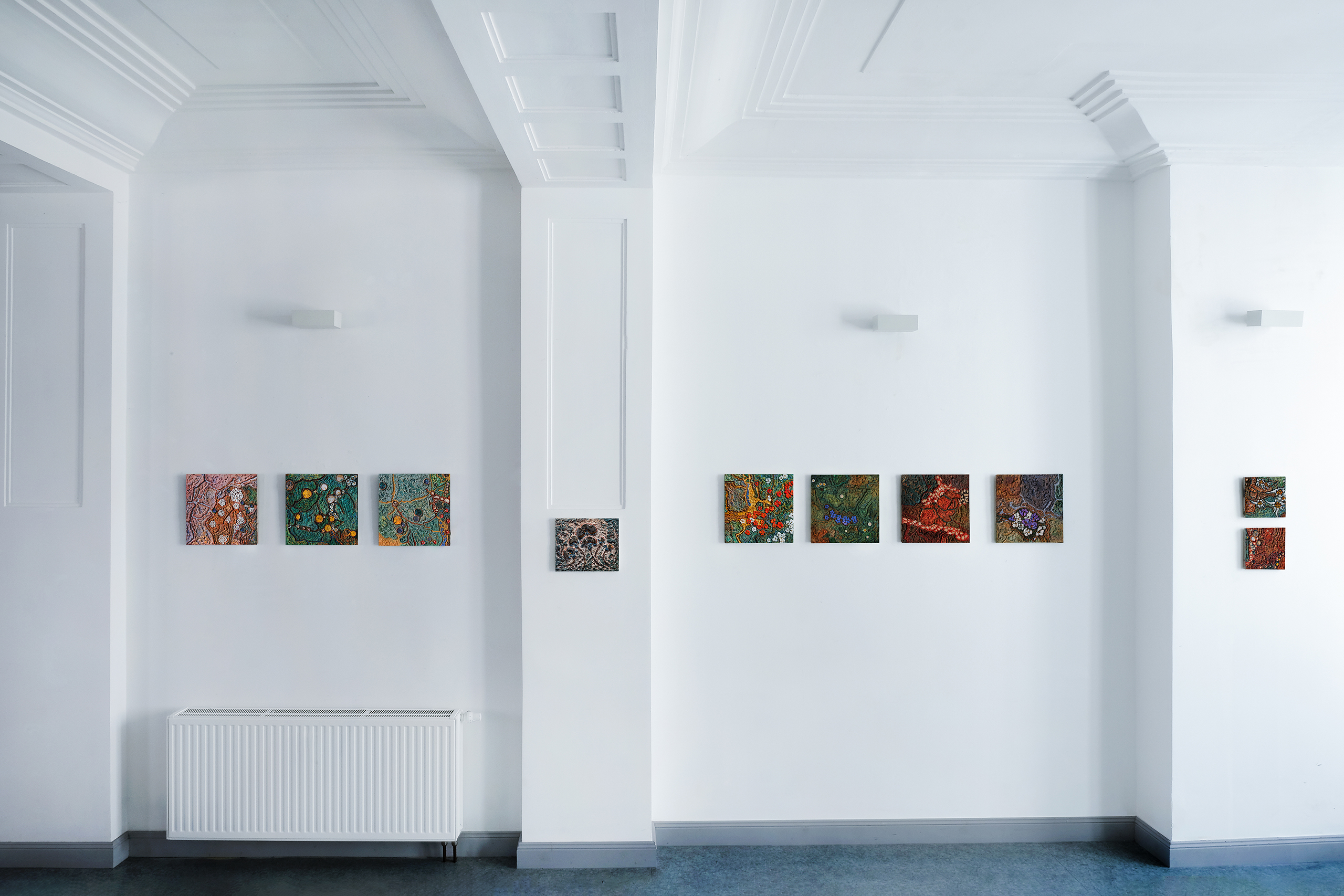
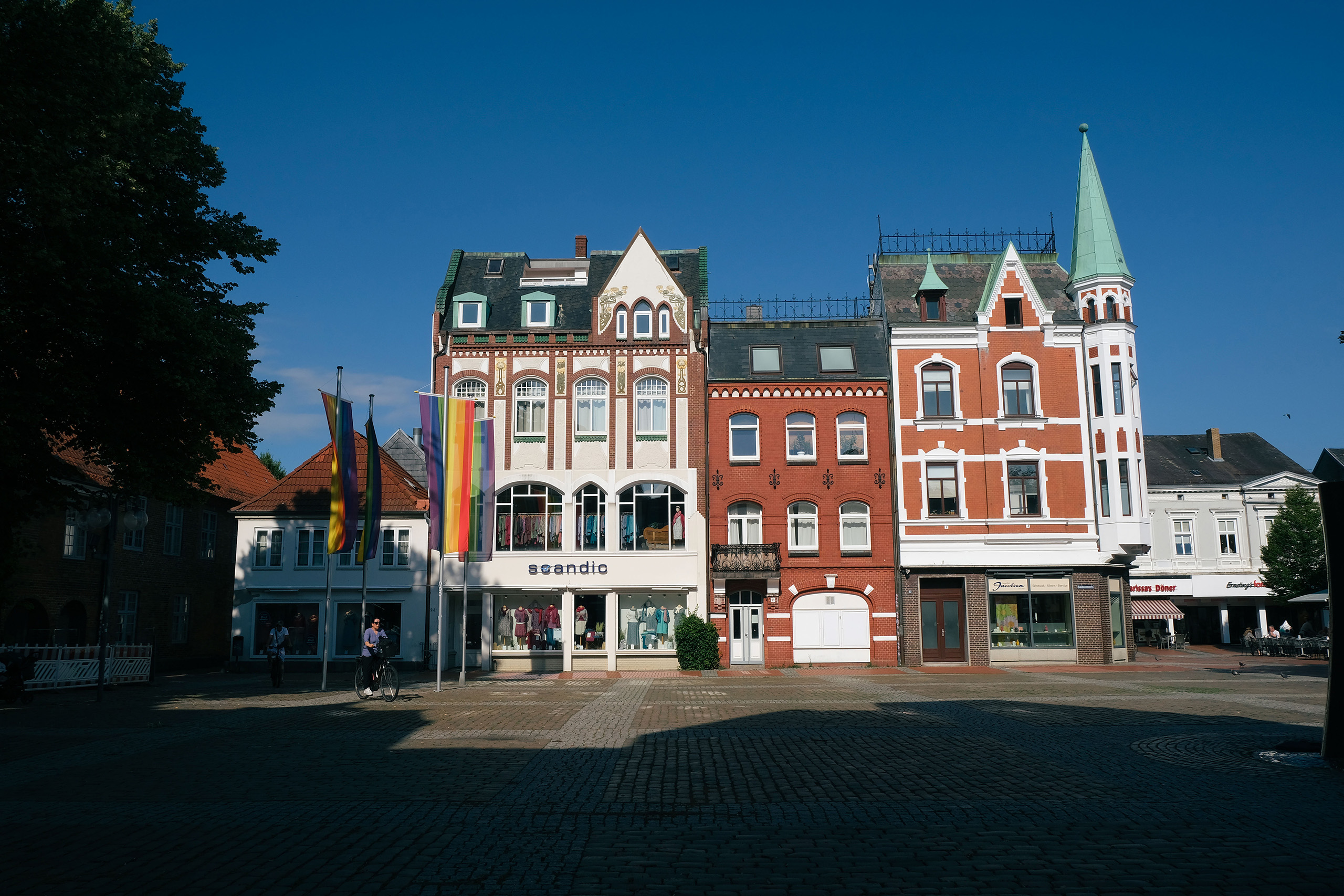
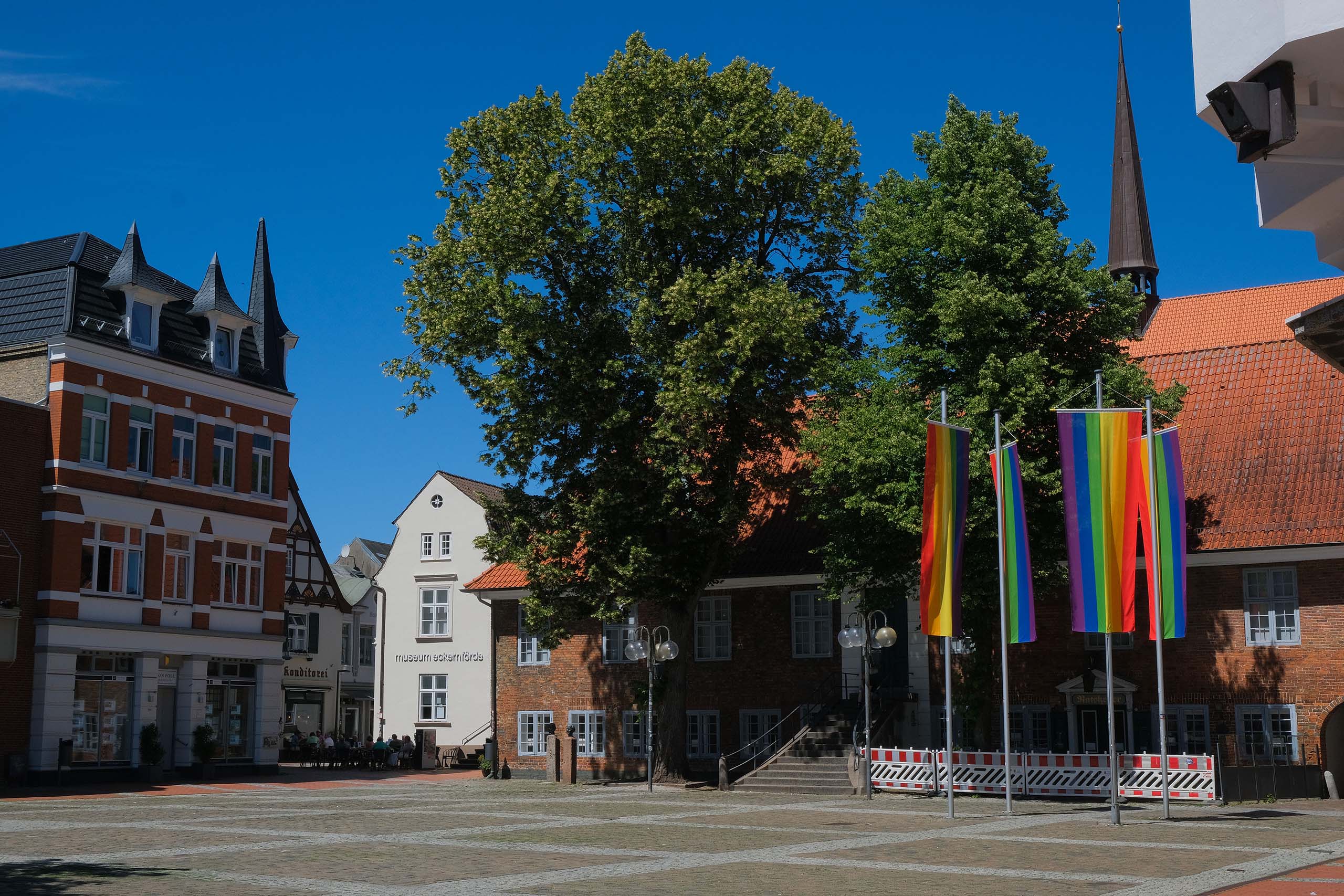
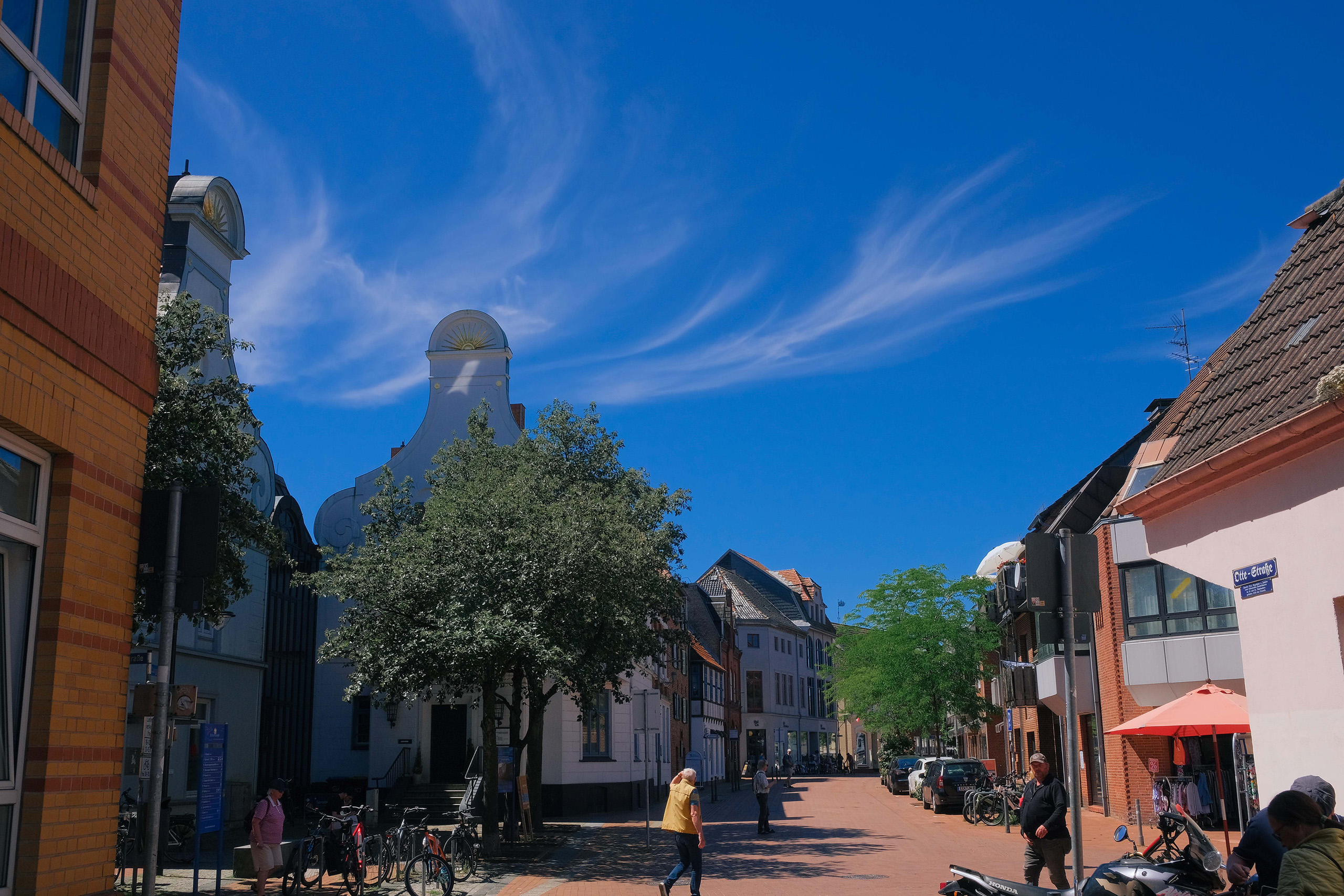
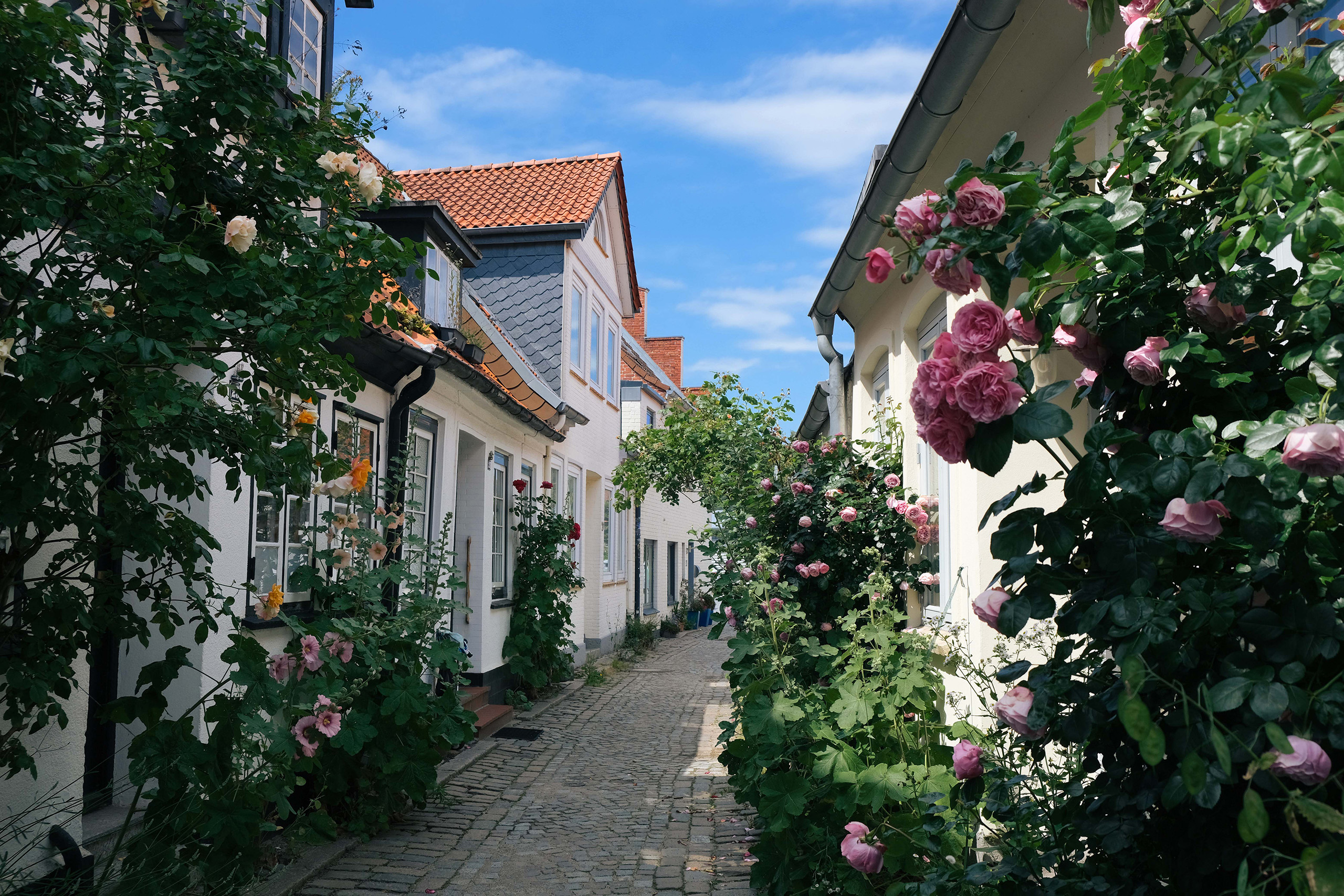
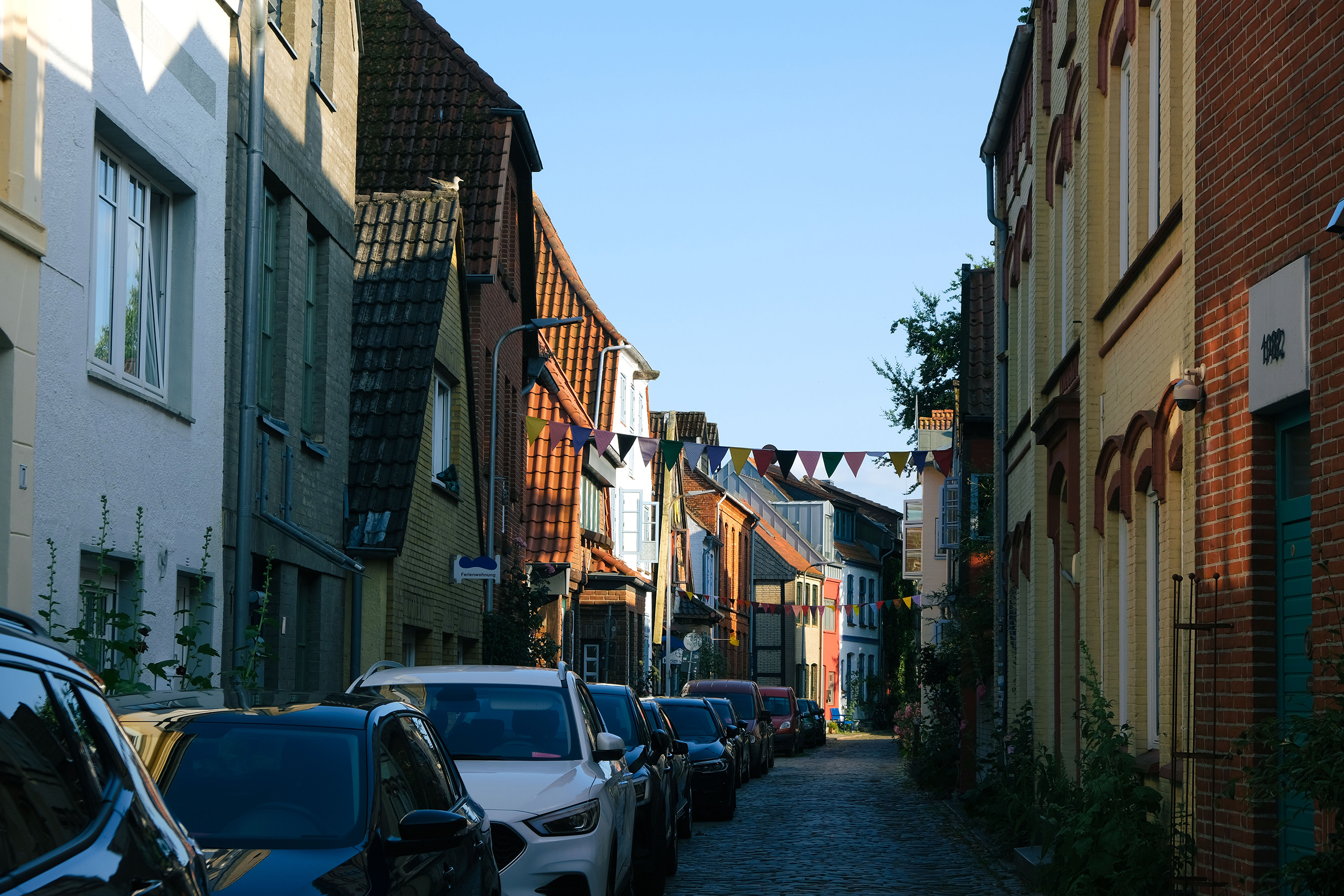
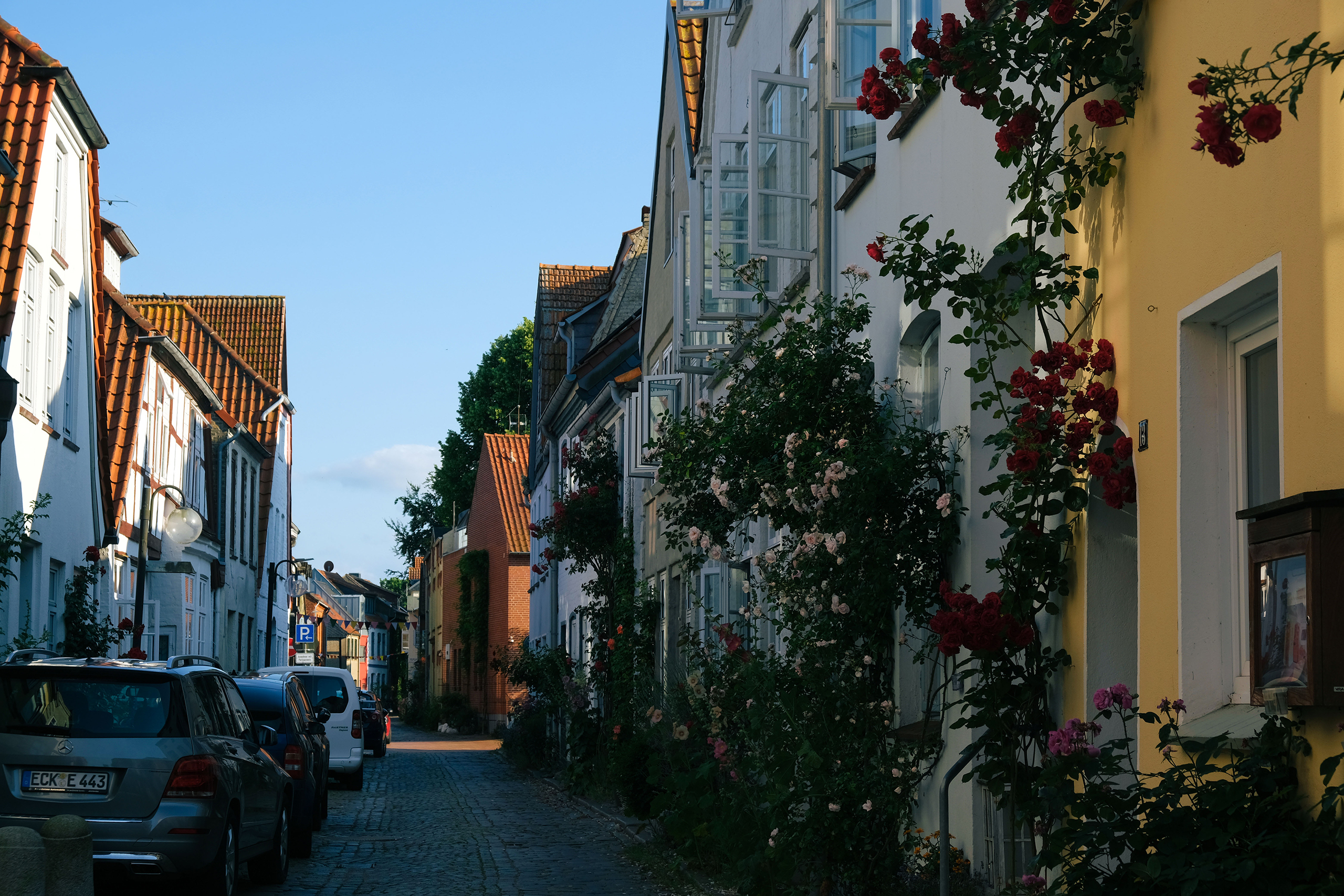
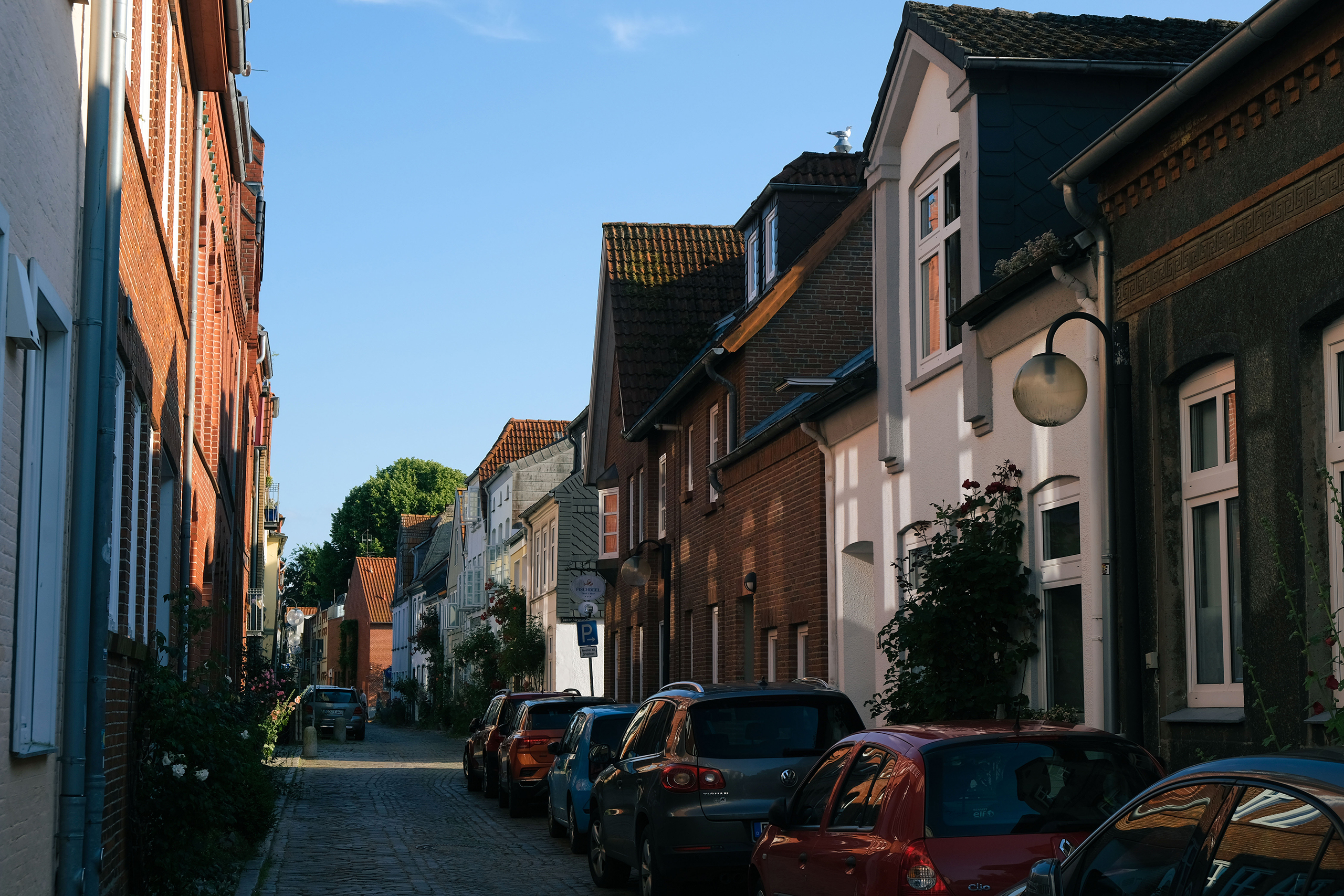
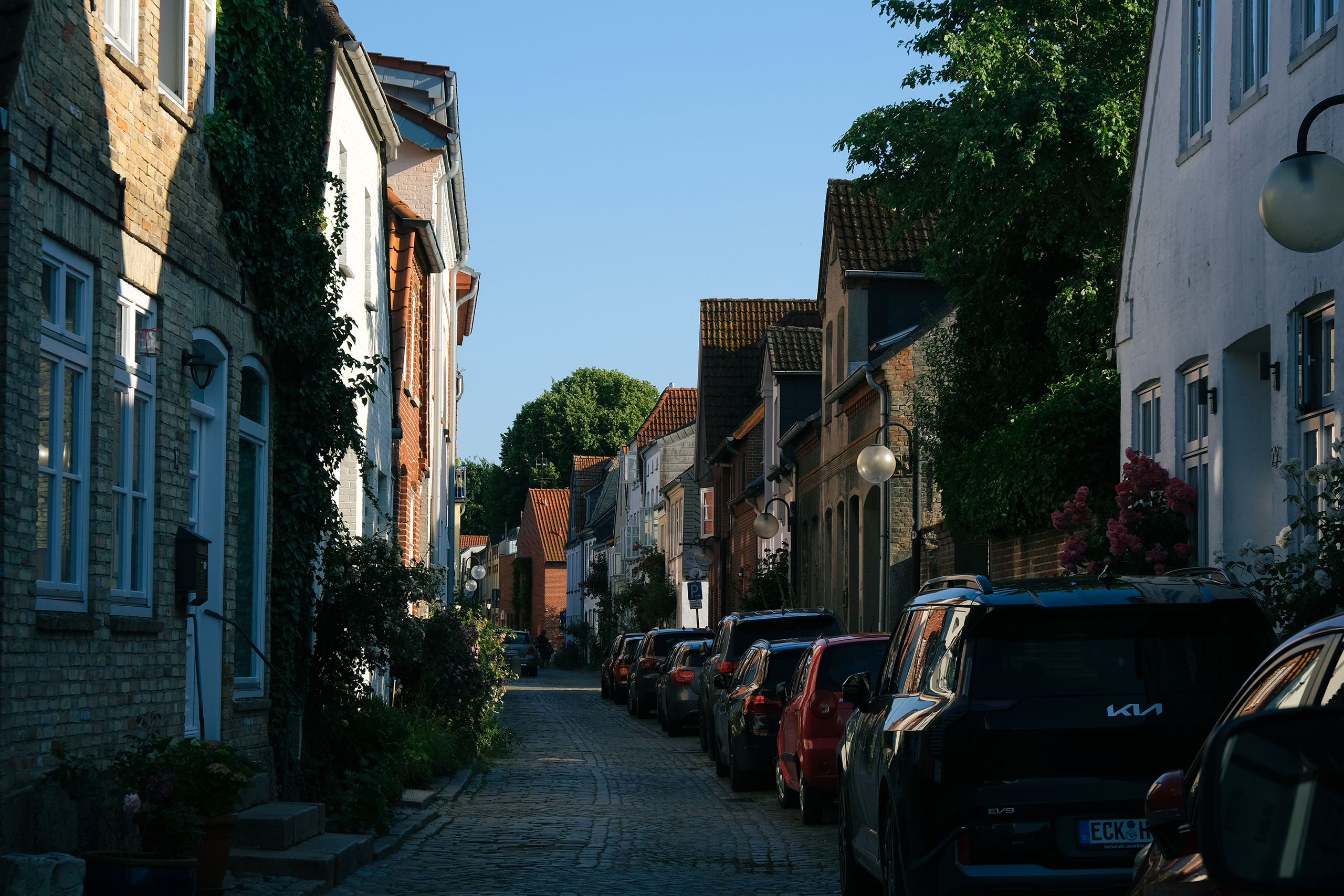
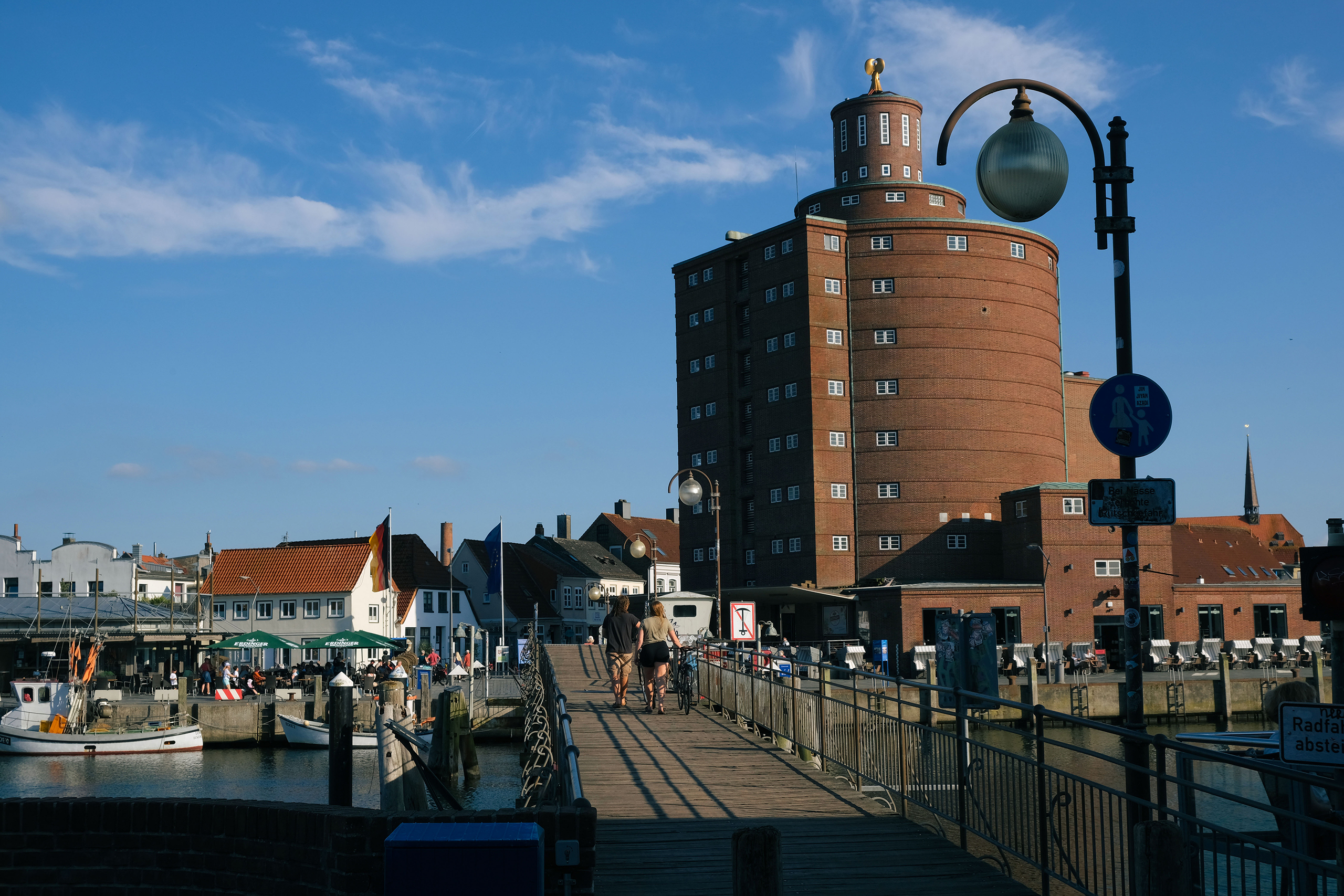
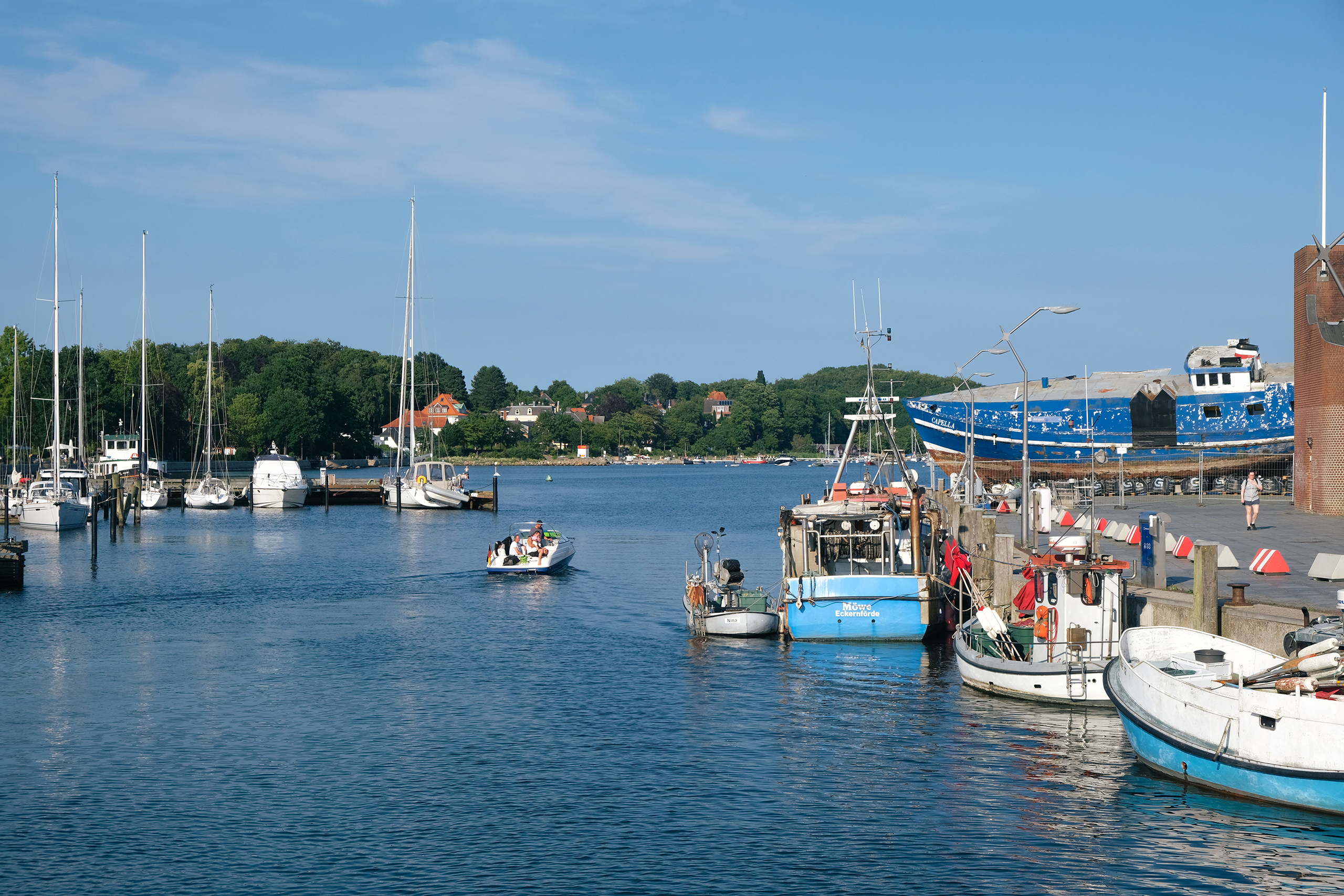
About Time and Eckernförde, Germany

In this project, time is not understood as a homogeneous, linear flow, but as a structure that can be compressed, sedimented, and repeatedly manifested through materials, plants, and seasons. In contrast to clock time—precise, divisible, and standardized—I focus on a form of “material time”: one that exists within geological accumulation and within the long cultural processes through which plants are observed, used, and remembered.
The layering of clay, calcium carbonate, and mineral powders not only simulates sedimentary formation but transforms time into something with weight, density, and surface. Plant imprints translate ephemeral life into enduring traces, allowing organic time to enter mineral structures.
Within this framework, the seasons are no longer uniform units but overlapping, permeable states. Each carries accumulated cultural meanings and modes of perception—a form of “cultural time” shaped by repetition and collective memory. Like geological cross-sections, which are formed through cycles of emergence, disappearance, and compression, the seasons in the work coexist as residues and inclinations: the pressure of winter within spring’s expansion, the descent of autumn within summer’s density.
This contrasts with the precision of measured time—one that marks passage—while this project reveals how time accumulates, transforms, and is preserved within matter and culture. In this sense, the project becomes a translation of temporal experience: from mechanical rhythm to geological rhythm, from instantaneous reading to long-duration sedimentation.
Within a context where time is often articulated through precision instruments, these works function as an alternative “dial”—not displaying the passage of time, but revealing how time leaves its traces.

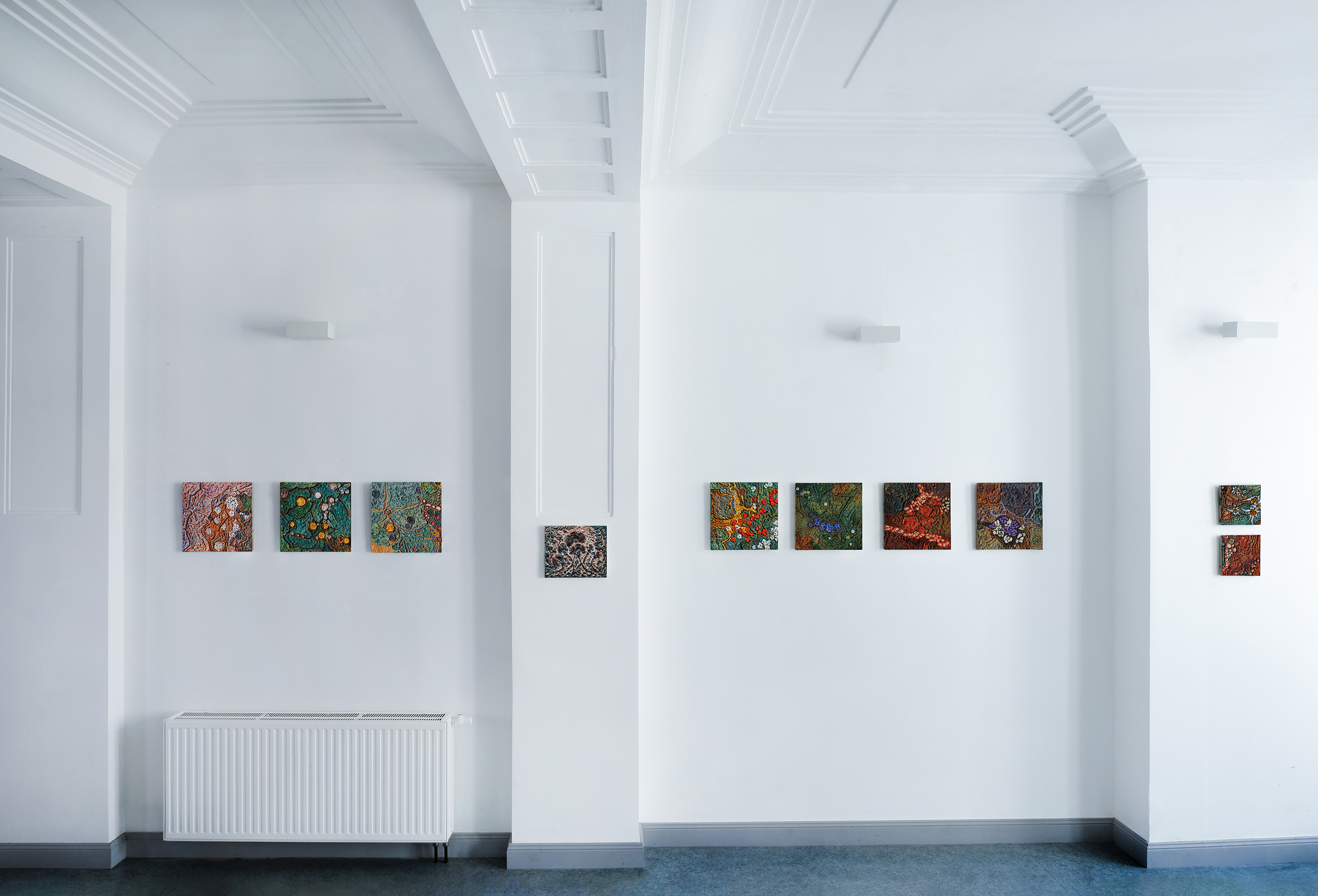
Geopoetry - Germany - Dandelions
Material : Mixed media (mother-of-pearl, watercolor, acrylic, flint fragments, soil, sand, plasters, clay and gold, silver, and copper foils) on canvas
Year : 2026
Size :30x30cm

Geopoetry - Germany - Marto Rose
Material : Mixed media (mother-of-pearl, watercolor, acrylic, flint fragments, soil, sand, plasters, clay and gold, silver, and copper foils) on canvas
Year : 2026
Size :30x30cm

Geopoetry - Germany - Drooping Star-of-Bethlehem
Material : Mixed media (mother-of-pearl, watercolor, acrylic, flint fragments, soil, sand, plasters, clay and gold, silver, and copper foils) on canvas
Year : 2026
Size :30x30cm

Geopoetry - Germany - Lithodora Diffusa
Material : Mixed media (mother-of-pearl, watercolor, acrylic, flint fragments, soil, sand, plasters, clay and gold, silver, and copper foils) on canvas
Year : 2026
Size :30x30cm

Geopoetry - Germany - White Dame's Violet
Material : Mixed media (mother-of-pearl, watercolor, acrylic, flint fragments, soil, sand, plasters, clay and gold, silver, and copper foils) on canvas
Year : 2026
Size :30x30cm

Geopoetry - Germany - Crocus
Material : Mixed media (mother-of-pearl, watercolor, acrylic, flint fragments, soil, sand, plasters, clay and gold, silver, and copper foils) on canvas
Year : 2026
Size :30x30cm

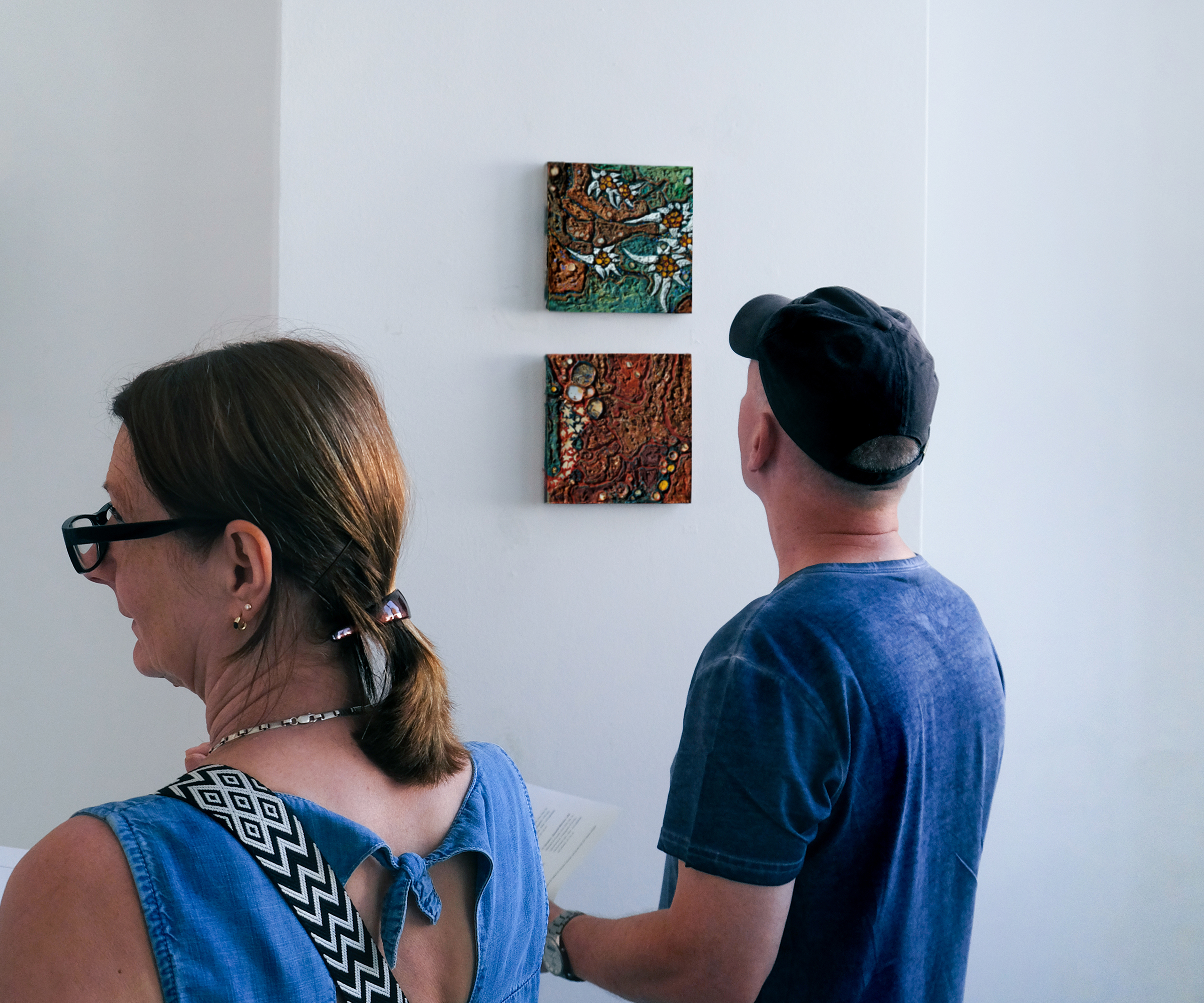
Geopoetry - Germany - Edelweiss
Material : Mixed media (mother-of-pearl, watercolor, acrylic, flint fragments, soil, sand, plasters, clay and gold, silver, and copper foils) on canvas
Year : 2026
Size :20x20cm

Geopoetry - Germany - Drooping Star-of-Bethlehem
Material : Mixed media (mother-of-pearl, watercolor, acrylic, flint fragments, soil, sand, plasters, clay and gold, silver, and copper foils) on canvas
Year : 2026
Size :20x20cm

Geopoetry - Eckernförde
Material : Mixed media (mother-of-pearl, watercolor, acrylic, flint fragments, soil, sand, plasters, clay and gold, silver, and copper foils) on canvas
Year : 2026
Size :35x35cm
To view more works and explore journey

